
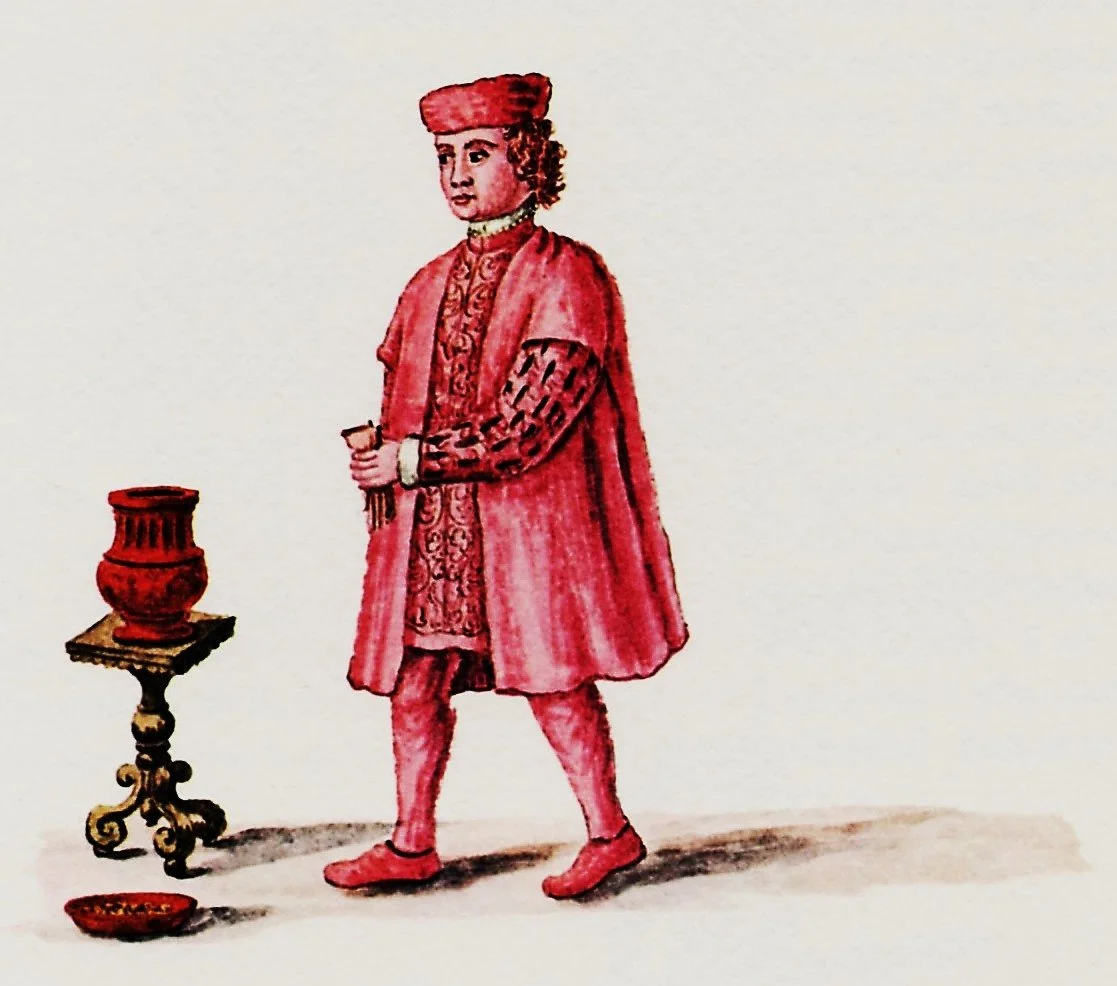
The Doge, the Pope, and the Little Ball
From Venice’s unusual ten-stage election process to the longest papal election in history, discover how medieval voting rules shaped the principles of fairness, transparency and trust that still matter today.
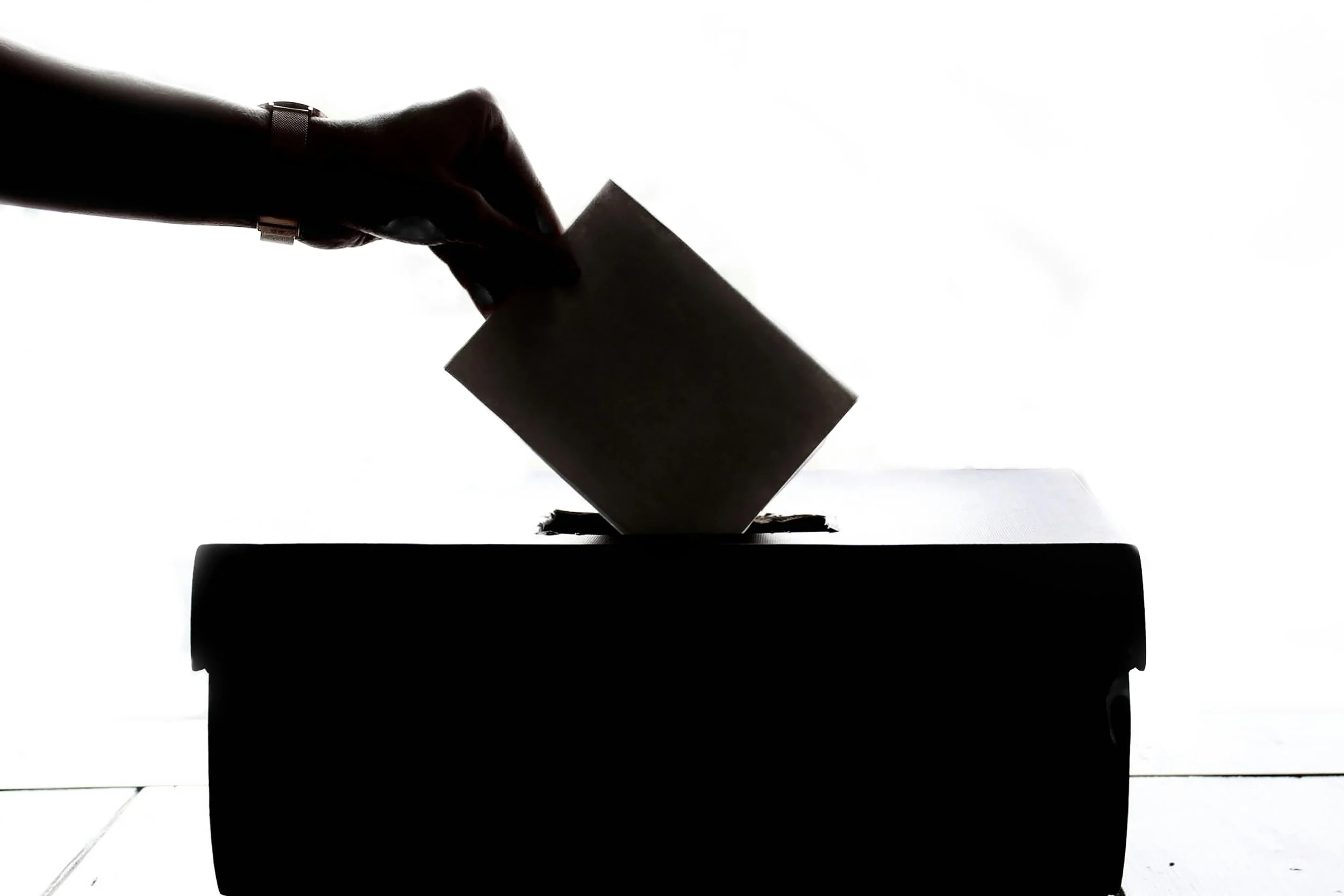
Why It's Time to Embrace Digital Voting
Estonia now casts over half its votes online, and voting there takes about 90 seconds. From accessibility for voters with disabilities to faster, cheaper counts, the evidence for digital voting is growing. Here’s what the research shows, where the real risks lie, and why a well-audited digital option deserves a place beside the ballot box.
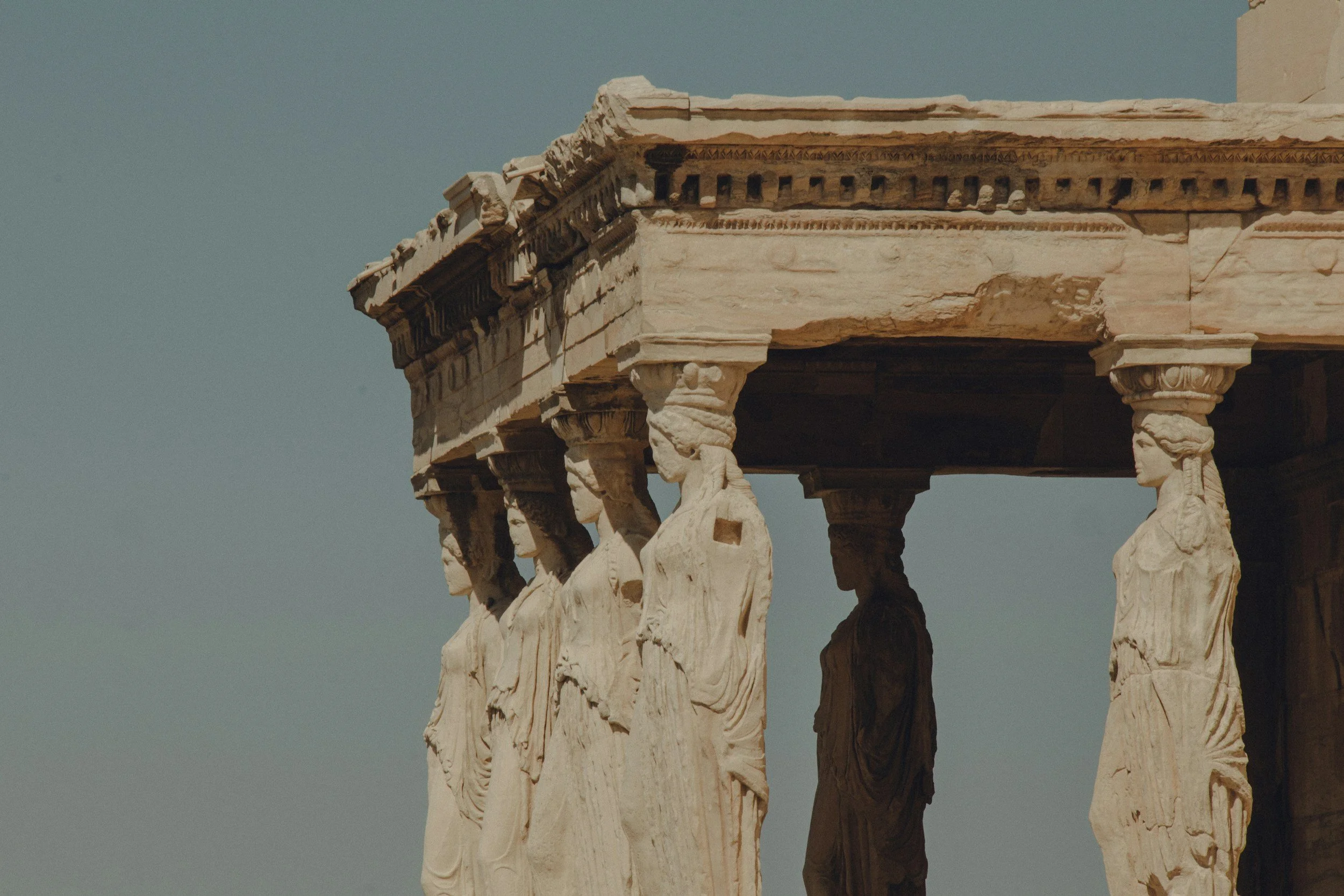
Pottery, Pebbles, and Power: How the Ancient World Voted
In the 480s BC, someone in Athens dumped 190 pre-written ballots naming the same man down a well. Election rigging is as old as democracy itself. In part 1 of our History of Voting series, we look at how Athens, Sparta and Rome voted: with pottery shards, bronze discs, shouting matches and wax tablets.

Online Elections Are More Than Just Putting a Ballot on a Screen
Casting a vote online is the easy part. Running an election that people trust is much harder. For unions, associations and member organisations, this post explains what sits behind a credible digital ballot: checking who is eligible, keeping ballots secret, making voting accessible, and keeping an audit trail that holds up when the result is challenged.